One of the first questions homeowners ask when considering a new garage floor is how long it will actually hold up. It’s a fair question. Nobody wants to invest in a floor coating and redo it three years later.
The short answer: a professionally installed polyaspartic floor coating typically lasts 15 to 20 years or more. Some last even longer with proper care.
Here’s what determines how long yours will last and what you can do to get the most out of it.
The Average Lifespan of Polyaspartic Floor Coating
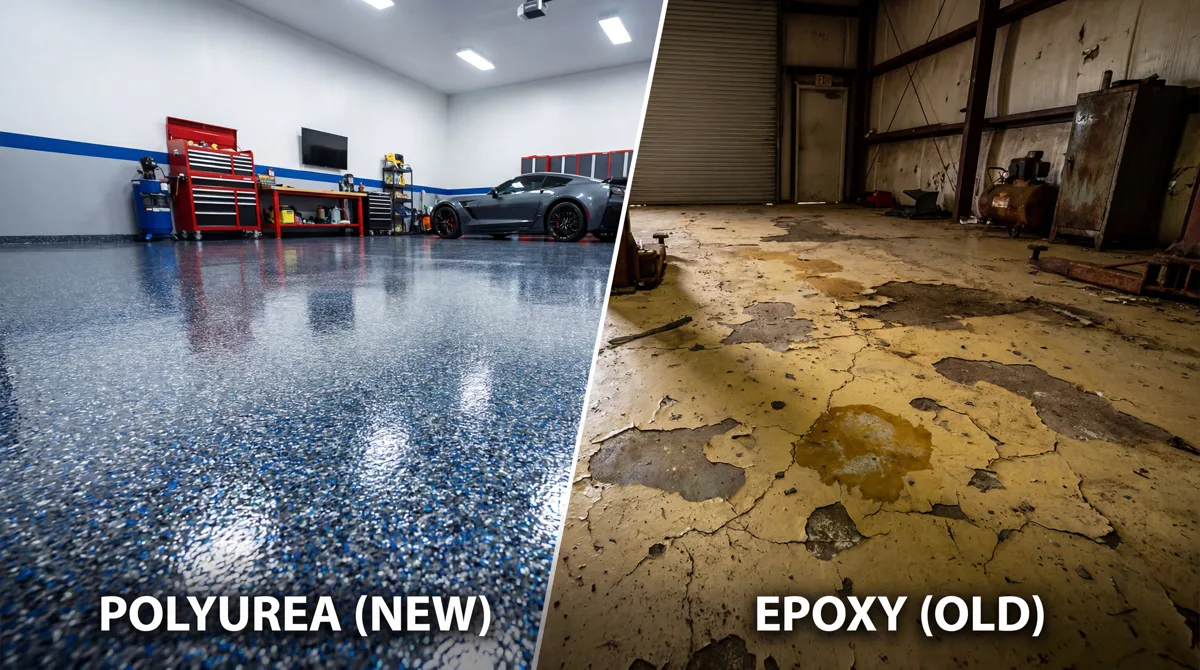
Most polyaspartic coatings installed by professionals are rated to last 15 to 25 years under normal residential use. That’s significantly longer than standard epoxy, which begins showing wear in as little as 5 to 10 years.
The reason comes down to chemistry. Polyaspartic is an elastomeric coating, meaning it stays slightly flexible after curing. That flexibility allows it to move with the concrete as it expands and contracts through seasonal temperature changes, rather than cracking and peeling the way rigid epoxy does.
At Patriot Poly Coatings, every installation includes a full diamond-ground surface prep to maximize bond strength, which is one of the biggest factors in how long your coating will last. Learn more about our garage floor coating process.
What Affects How Long Polyaspartic Lasts
Surface Preparation
This is the single biggest factor. A polyaspartic coating is only as good as the surface it bonds to. If the concrete isn’t properly ground and profiled before installation, the coating can delaminate early regardless of how good the product is.
Professional installers use diamond grinding or shot blasting to open the concrete and create a mechanical bond. DIY kits and less experienced installers who skip this step are the main reason some polyaspartic jobs fail prematurely.
Traffic and Use
Light residential use, a car or two, occasional foot traffic, and the usual garage activity will not significantly shorten the life of a quality polyaspartic coating. Heavy commercial use, constant forklift traffic, or dragging heavy equipment across the floor will wear it faster.
For high-traffic applications, check out our commercial floor coating services.
UV Exposure
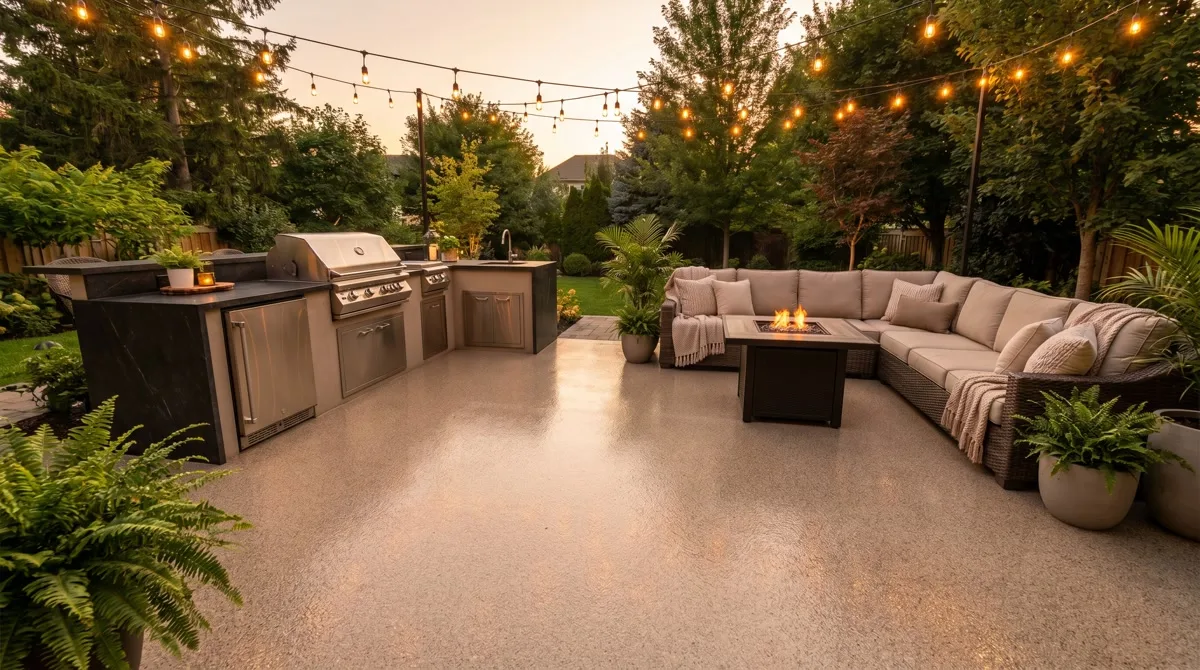
Unlike epoxy, polyaspartic is UV-stable, so direct sun exposure won’t cause yellowing or breakdown. This makes it a strong choice for outdoor patios and pool decks as well as garages with lots of natural light.
Chemical Exposure
Polyaspartic’s nonporous surface resists most common garage chemicals including motor oil, gasoline, brake fluid, and road salt. Prolonged exposure to extremely harsh industrial solvents can degrade any coating over time, but for typical homeowner use this is rarely a concern.
Climate
Upstate South Carolina’s hot, humid summers and occasional hard freezes are exactly the kind of climate where polyaspartic outperforms epoxy. The flexibility that prevents cracking also handles the thermal expansion caused by the region’s temperature swings. Check out our service areas across Upstate SC to see where we install.
How to Make Your Polyaspartic Coating Last Longer
Polyaspartic is low-maintenance by design, but a few simple habits will help it look great for decades.
Clean spills promptly. Polyaspartic resists staining, but cleaning up oil, chemicals, and road salt soon after they land keeps the surface looking new.
Sweep or blow out debris regularly. Grit and sand act like sandpaper underfoot. Keeping the floor clear reduces abrasion over time.
Use floor mats under vehicles. Parking mats catch drips before they sit on the surface for extended periods.
Avoid dragging sharp or extremely heavy objects. Polyaspartic is tough, but scoring it repeatedly with metal edges will wear through any coating eventually.
Consider a topcoat refresh every 10 to 15 years. The base coat will likely still be intact and bonded well after 15 years. A fresh topcoat can restore the gloss and add another decade of protection at a fraction of the original installation cost.
Signs Your Polyaspartic Coating Needs Attention
A healthy polyaspartic floor should look glossy, feel solid underfoot, and show no lifting at the edges. Watch for these warning signs:
- Dull or hazy patches where the topcoat has worn through
- Small chips or scratches that expose the concrete beneath
- Edge lifting near floor drains or walls
- Staining that no longer wipes off cleanly
Most of these issues are cosmetic and easy to address early. Catching them before they spread keeps the repair cost low.
Polyaspartic vs. Epoxy Lifespan at a Glance
| Coating Type | Typical Lifespan | UV Stable | Flexibility |
|---|---|---|---|
| Polyaspartic | 15 to 25+ years | Yes | High |
| Epoxy | 5 to 10 years | No | Low |
| Polyaspartic | 10 to 20 years | Yes | Medium |
Read our full polyaspartic vs. epoxy comparison for a deeper breakdown.
Ready for a Floor That Lasts
A polyaspartic floor coating is one of the highest-return improvements you can make to your garage. It protects the concrete, adds value to your home, and requires almost no upkeep for years.
Get a free quote from Patriot Poly Coatings and find out how long your floor can last with the right system installed the right way.